
Feeling lost about where to even start with banking in the Philippines? 😊 Start with ID, account, wallet, savings and safe borrowing rules — in that order. Read on! 🚀
Everything is explained right below ⬇️⬇️⬇️
Recommended Reading:
Best Bank Account for Low-Income FilipinosBest E-Wallet for Beginners
The fastest realistic path to solid banking as a low-income Filipino follows five steps in order: get your National ID working for you, open a low-cost bank account, verify an e-wallet, build a simple savings habit, then only consider borrowing once the first four are solid.
💳 The loan & e-wallet options Filipinos actually qualify for — the full list goes straight to your email
In this guide, we’ll rank the five steps that matter most, in the order that actually works, with a dedicated article covering each one in more depth if you want to go further.
Don’t waste time guessing — keep reading to find out!
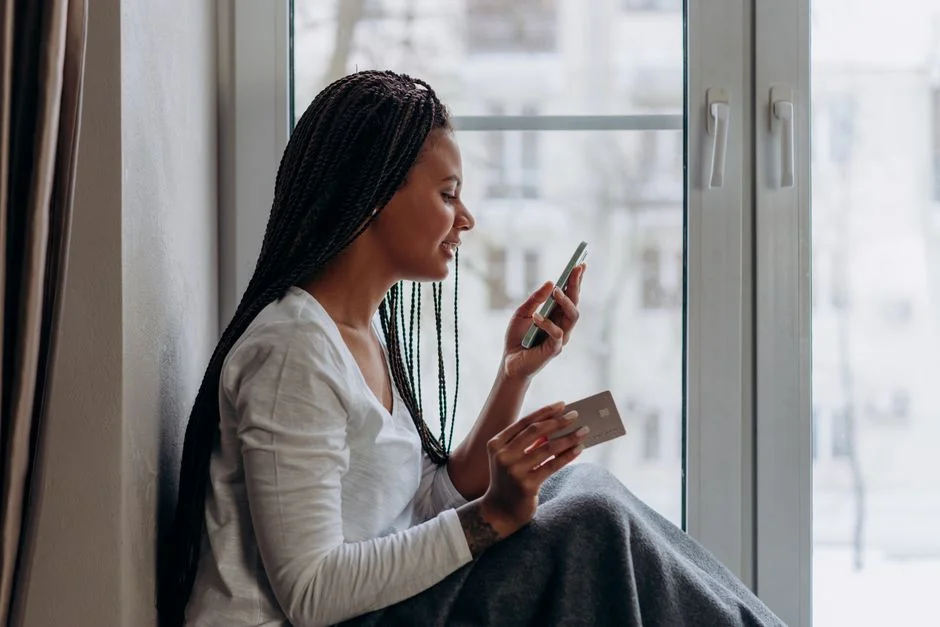
3 online loan options Filipinos can apply for today. No branch visit needed!
YES, SHOW ME THE OPTIONS!NOT RIGHT NOW
How does this 5-step banking roadmap actually work?
Each step unlocks the next: a working National ID gets you into a bank account, a bank account or e-wallet gives you a base to save from, and a savings habit is what makes safe borrowing possible later.
Most financial trouble among first-time bankers comes from skipping ahead — especially jumping straight to borrowing before steps one through four are solid.
Going in order doesn’t take long: many Filipinos can complete the first three steps within a single day using just their PhilSys National ID.
| Foundation | Approval Time | Cost to Compare | No Payslip? |
|---|---|---|---|
| ID, account, wallet first | Often same-day | Free to compare | Some lenders still consider you |
The 5-step roadmap, ranked
- 1. Get your National ID working for you. Your PhilSys ID is the key that opens almost every door — start with opening a bank account with just your National ID, then use the same document for verifying GCash, Maya or a bank.
- 2. Open the right bank account. Compare low-income-friendly accounts and, if you’re managing money for family, look at accounts built for receiving allowance or support.
- 3. Verify an e-wallet properly. Start by comparing GCash, Maya and GoTyme, then complete GCash full verification or Maya’s verification steps, whichever you use most.
- 4. Build a savings and safety habit. Whether you’re a student managing baon, understanding what your benefit card actually is, or learning to protect it from scams, this step keeps what you’ve built safe.
- 5. Borrow only when it makes sense. Once the basics are solid, learn whether 4Ps beneficiaries can get a loan, compare a debit card against a credit card, check your options for credit without a payslip, and understand what counts as income on a loan application.
Do I really need to follow all 5 steps in order?
Not rigidly, but the order reflects what actually works in practice — each step gives you the documentation or habits the next one needs.
If you already have one piece, like a verified e-wallet, simply pick up from wherever you are and fill in the gaps around it.
What if I already have debt or a low credit score?
It’s not too late to start — steps one through four still matter, since a stable account and savings habit make future borrowing safer regardless of your past credit history.
Checking your own Credit Information Corporation report is a useful way to understand where you stand before applying for anything new.
⚠️ Whether it’s your 4Ps card, a bank account, or an e-wallet, the same rule protects you: the National Privacy Commission has documented repeated phishing scams where fraudsters impersonate banks or “AMLC” to request an OTP — legitimate institutions never ask for this by phone or text.
How do I check that I’m on track with these 5 steps?
- Confirm your PhilSys National ID is valid and usable through the official PhilSys website.
- Check that your bank account and e-wallet are both fully verified, not left on a “basic” or restricted status.
- Review whether you have any savings set aside separately from your daily spending money.
- Only look into borrowing once the first three checks above are solid.
Revisiting this checklist every few months helps you see real progress instead of guessing.
How do I confirm a bank, wallet, or lender is legitimate?
Stick to institutions supervised by the Bangko Sentral ng Pilipinas and insured by the PDIC, and confirm any lender’s registration with the SEC before applying.
If you ever have a complaint about a BSP-supervised institution, the BSP’s Consumer Assistance channels — (02) 8708-7087 or its official BOB chatbot on bsp.gov.ph — are the right place to escalate it.
Where should you actually start today?
If you haven’t already, start with your National ID and a basic bank account — everything else in this roadmap builds from there.
Take it one step at a time, and resist the pull to jump straight to borrowing before your foundation is solid.
For the account side of step two, this comparison of low-income-friendly accounts is the natural next read.
For step three, this beginner’s e-wallet comparison walks through GCash, Maya, and GoTyme.
And when you’re ready to think about credit, this article on loans and benefit programs is a solid place to start step five.
I hope this helped — if you still have questions, leave a comment and we’ll get back to you.
Frequently asked questions
Where should a low-income Filipino start with banking?
Start with your PhilSys National ID, then open a low-cost bank account and verify an e-wallet before considering any borrowing.
Do I need a bank account and an e-wallet, or just one?
Having both is useful — a bank account for savings and an e-wallet for everyday payments and transfers.
Can I start this roadmap with no payslip or formal job?
Yes, a National ID and basic account or wallet don’t require a payslip, though borrowing later may need alternative income proof.
Is it too late to start if I already have some debt?
No, building a stable account and savings habit still helps, regardless of your current credit situation.
How do I know if my accounts are properly verified?
Check your account status inside each app or with your bank — a restricted or “basic” status usually means verification isn’t complete.
What’s the biggest mistake people make with this roadmap?
Jumping straight to borrowing before establishing a verified account, wallet, and savings habit.
How do I check if a financial institution is legitimate?
Confirm it’s supervised by the BSP, insured by the PDIC, or registered with the SEC, depending on the type of institution.
Sources consulted: philsys.gov.ph (National ID acceptance), bsp.gov.ph (Basic Deposit Account regulation, Consumer Assistance channels), privacy.gov.ph (OTP phishing scam documentation), creditinfo.gov.ph (credit report basics).
⚠️ Disclaimer
This is an independent informational site with no official link to the BSP, PhilSys, DSWD, or any bank, app, or lender mentioned. We don’t process applications or charge any fee. Requirements and terms change over time — always confirm current information directly with the relevant official source.
Marc Smith is the founder of the Budget Geridibiase blog, where he uses his decade-plus experience as a financial consultant to simplify the world of finance, credit cards, and insurance. His mission is to translate complex topics into practical, accessible advice, empowering readers to make financial decisions with confidence and build a secure economic future.